

VW Taos vs. Tiguan for Dayton Driving
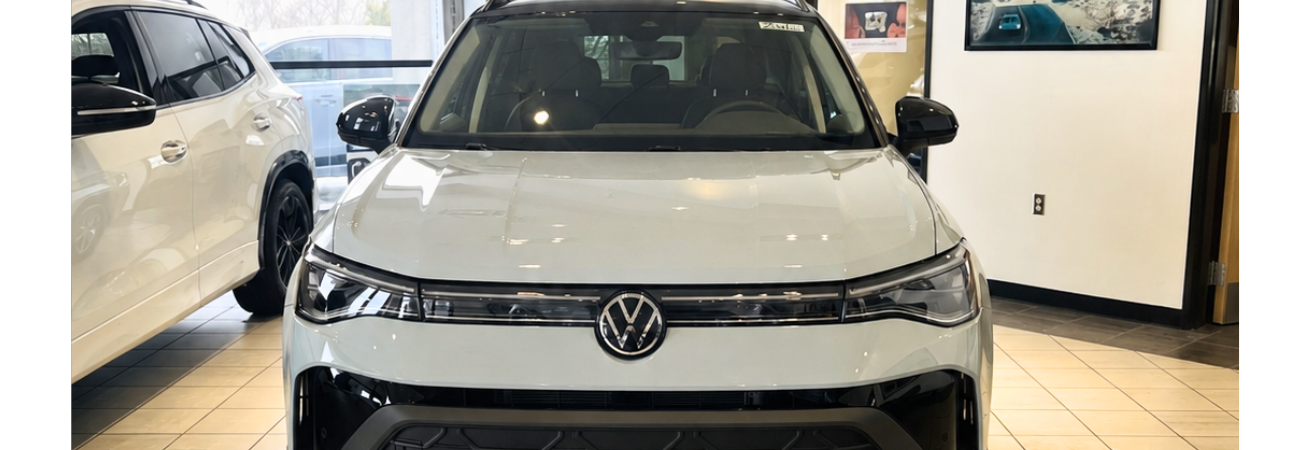
Dayton roads ask a lot from a compact SUV. You need something that's easy to park at The Greene, light on fuel for the commute, and comfortable when Ohio weather turns cold or wet.
That puts two Volkswagens on the short list, the VW Taos and the Tiguan. Both fit daily life well, but they don't feel the same once you start driving, loading cargo, and living with the monthly cost. The better pick depends on your routine, your space needs, and how much SUV you want around you. Start with the way each one feels on local roads.
How the VW Taos and Tiguan feel on Dayton roads
On paper, the Taos and Tiguan sit close together. Behind the wheel in Dayton, the differences show up fast.
Why the smaller VW Taos can feel easier in traffic
The Taos feels lighter on its feet in city traffic. Its smaller footprint helps when you slip into a narrow parking spot downtown or turn into a crowded grocery lot in Beavercreek.
That size also cuts stress during short trips. Lane changes feel quick, and visibility is easy to like. If your week is filled with school drop-offs, work commutes, and quick errands, the Taos fits that rhythm well.
Drivers who want a closer side-by-side can see this VW Taos and Tiguan comparison. The takeaway is simple, the Taos feels easier in the places where Dayton traffic gets annoying.
Where the Tiguan gives you a more relaxed ride
The Tiguan trades some of that nimble feel for a calmer ride. Because it has a larger cabin and a more substantial feel, it often feels more settled on longer drives.
That matters if your commute includes I-75 or long stretches on I-675. The extra space around you can make the drive feel less busy, and passengers usually notice that room right away.
Parking still stays manageable, because the Tiguan is not a full-size SUV. Even so, you feel more vehicle around you. Some Dayton drivers like that added confidence, while others will still prefer the Taos for tight lots and quick hops across town.
Space, seating, and cargo, which SUV fits your routine better?
Driving feel matters, but space often decides the sale. A compact SUV has to handle groceries on Tuesday and a weekend bag on Friday.
VW Taos interior space for everyday use
The Taos makes smart use of its size. Up front, it gives commuters comfortable seating and a cabin that doesn't feel cramped. In the back, it has enough room for a small family, a couple of friends, or the usual mix of backpacks, lunch bags, and sports gear.
Cargo space is where the Taos punches above its footprint. For daily errands, grocery runs, and weekend overnights, it has the flexibility most drivers need without feeling bulky every other day.
If you're also cross-shopping the class, a VW Taos compact SUV comparison can add context. For many Dayton shoppers, the Taos hits the sweet spot between small outside and useful inside.
Tiguan advantages if you haul more people or gear
The Tiguan pulls ahead when life gets busier. More passenger room and more cargo space give it an edge for carpools, strollers, folding chairs, and road trip luggage.
Its added seating flexibility also helps if you regularly carry more people. That extra room matters most on busy weekends. If you often load up for youth sports, airport runs, or family visits, the Tiguan feels less like a compromise.
You don't have to pack as carefully, and rear-seat passengers usually stay happier on longer drives. Buyers with growing families often notice this first. The Taos works well for everyday use, but the Tiguan gives you more room to grow into.
Gas mileage, features, and value in the Taos vs. Tiguan choice
For many buyers, the monthly ownership picture makes the decision clearer. Most shoppers end up choosing either efficiency and ease or extra room and a richer feel. For most owners, phone integration, driver-assist features, and simple controls matter more than a long spec sheet.
Why the Taos may appeal to budget-minded commuters
If your drive includes daily miles between Dayton and nearby suburbs, the Taos has a strong case. A smaller, lighter SUV usually uses less fuel, and that savings adds up over a full year.
The Taos also makes sense if you want solid tech and comfort without paying for space you won't use. Trim level still matters, of course, but the overall idea is clear. You can get a well-equipped Volkswagen SUV while keeping both size and cost in check.
When the Tiguan is worth the extra money
The Tiguan earns its higher price when you use its added space often. If you fill the cabin with people, gear, or both, the extra money buys convenience every week.
It can also feel like a more relaxed place to spend time. The cabin has a bigger, more open feel, and that matters if you take longer drives or want your SUV to feel more substantial. For some buyers, that comfort is worth more than the fuel savings of the Taos.
Conclusion
A compact SUV can look right on paper and still feel wrong in daily life. For Dayton driving, the VW Taos makes the strongest case if you want easier parking, better efficiency, and less stress in traffic.
The Tiguan is the better fit if your routine asks for more passenger room, more cargo space, and a calmer feel on longer drives. Match the SUV to your real week, not the spec sheet, and the choice gets much easier.
The right Volkswagen is the one that makes Monday errands and Saturday trips feel easy.