

Why Drive the 2026 VW Tiguan
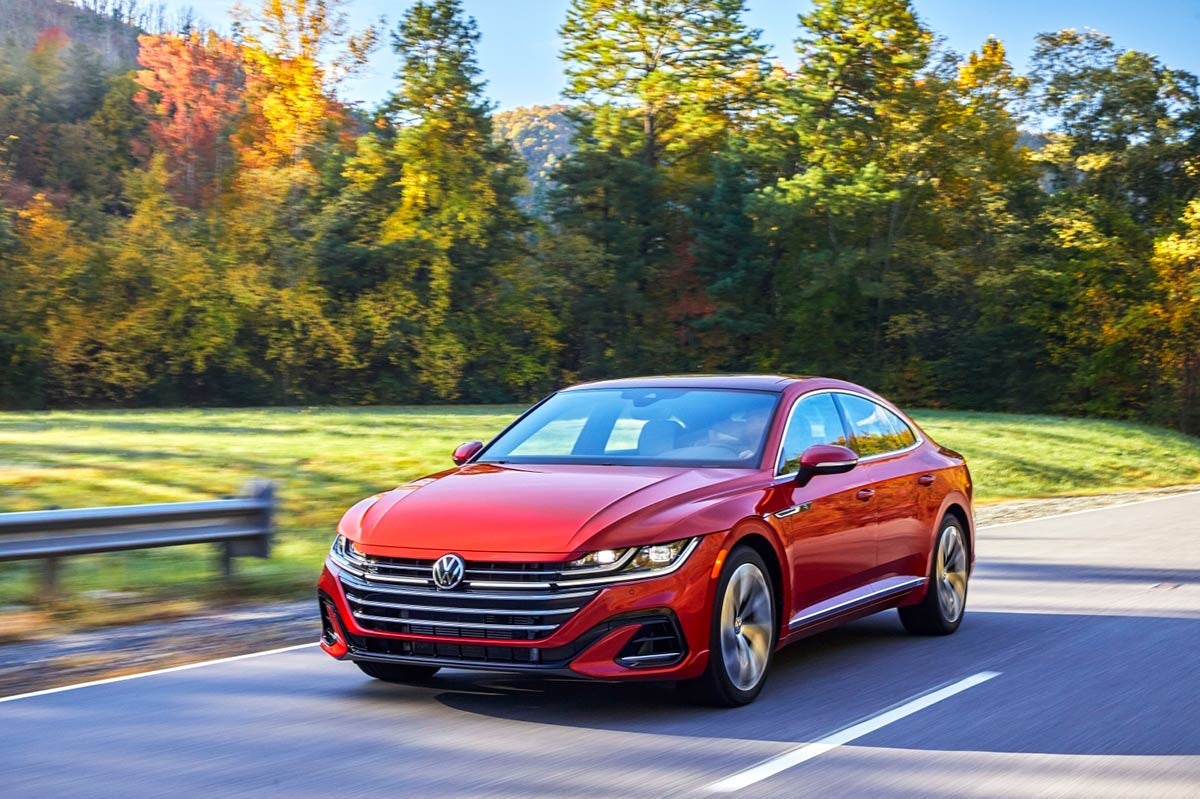
If you drive a sedan around Dayton, you probably know the trade-offs by heart. It’s easy to park, easy on gas, and it feels familiar. But when winter slush hits, or you’re loading groceries, a stroller, or sports gear, that low trunk and low seat can start to feel limiting.
The 2026 VW Tiguan is a clean next step because it adds space and a higher view without feeling like a huge SUV. It’s still the kind of vehicle you can live with every day, from I-75 traffic to tight lots at Austin Landing. This guide focuses on what to look for that’s changed versus last year, plus what matters most in daily driving: design and tech updates, comfort and cargo, safety, and value.
What’s New for the 2026 VW Tiguan (and why it matters vs. last year)
Model-year updates can sound small on paper, but they’re often the things you notice every single drive. When you compare a 2026 Tiguan to a 2025 on the lot, focus on the upgrades that affect your hands, eyes, and ears. (Quick tip: confirm features by trim and the window sticker since availability can vary.)
Fresh design updates that make it look and feel more modern
Sedan drivers often worry that moving to an SUV means driving a tall box. The Tiguan’s appeal is that it usually keeps a tidy shape, and for 2026 you’ll want to check for subtle styling touches that make it look newer than last year.
Look for details that change the day-to-day feel, not just the curb look:
Updated lighting elements (when equipped): Clearer light patterns can help at dusk on suburban roads, and they also make the front end look more current.
Revised wheel designs on certain trims: Wheels sound cosmetic, but the right design can make the Tiguan feel more like a sporty wagon than a bulky SUV.
Cleaner cabin look: Small changes in trim, seat patterns, and interior color options can make a big difference if you’re coming from an older sedan.
Why this matters: a modern look tends to hold attention longer. You’ll sit in it every day, so the cabin should feel like an upgrade, not just “more space.”
Tech and comfort upgrades you will use every day
If you’ve ever fought with an older touchscreen or dealt with a phone cable that never sits right, you already know why tech updates matter. In a 2026 vehicle, the goal isn’t “more features,” it’s fewer annoyances.
When shopping the 2026 VW Tiguan, watch for practical updates like:
Infotainment that feels quicker: A responsive screen makes it easier to change routes when Dayton road work pops up, or when you’re rerouted around a crash on I-75.
Better phone integration: Strong Apple CarPlay and Android Auto behavior means fewer missed turns and fewer “can you hear me now?” moments on calls.
More usable charging: Extra USB ports (and available wireless charging in some vehicles) keep everyone powered up on errands, even if you’ve got a passenger running maps while you stream music.
A clearer driver display (when equipped): Speed, lane info, and alerts are easier to read at a glance, which reduces that split-second stress in traffic.
The big idea is simple: the Tiguan should feel calm and current, not like a rolling tablet that demands attention.
Why drive the 2026 VW Tiguan for Dayton life: comfort, space, and easy confidence
The best reason to switch from a sedan isn’t status. It’s comfort and ease. Dayton driving is full of small friction points, tight merges, sudden slowdowns, rough patches from winter, and parking lots that feel like obstacle courses.
A compact SUV like the Tiguan can take the edge off in ways you’ll notice right away:
Easier entry and exit: A higher seat height means you slide in, not drop down. After a long workday or a gym stop, that matters.
A better view of traffic: Seeing over the car in front of you can make merging and lane changes feel less rushed, especially near the I-675 interchange areas.
Still easy to place on the road: The Tiguan’s footprint is usually city-friendly for an SUV, so it doesn’t feel like you’re driving a bus through Beavercreek or squeezing into a spot near The Greene.
SUV space without feeling huge: cargo room, back seat comfort, and flexible seating
If you’ve been living with a sedan trunk, the first “wow” moment often happens in the cargo area. The Tiguan’s shape is more usable because it’s taller, not just longer.
Real-life wins include:
Costco and grocery runs: Bulk items fit upright more easily, and the opening is easier to work with than a low sedan trunk lip.
Kid and pet gear: Strollers, sports bags, and a week’s worth of “just in case” items stop feeling like a game of Tetris.
Split-fold rear seats: You can carry longer items while still keeping a passenger seat open, which helps with home projects and weekend plans.
Some versions may offer an available third row. If you’re curious, sit back there before you commit. For many shoppers, the bigger value is a roomy second row and a cargo area that fits daily life without planning ahead.
All-weather peace of mind for Ohio, including available AWD and smart traction features
Ohio winters don’t always bring deep snow, but they do bring the tricky stuff: half-plowed side streets, slush ridges, freezing rain, and slick parking lots.
With the 2026 VW Tiguan, available all-wheel drive can help you put power down with less wheel slip when conditions are messy. It doesn’t change the laws of physics, but it can improve confidence when you’re pulling away from a stop or climbing a slick incline.
A few practical notes that matter more than most people think:
Ground clearance helps with rutted slush, but slow and steady still wins.
Stability feels different than a sedan, especially in gusty wind and wet lanes, because the vehicle’s stance and traction systems are tuned for this kind of use.
Tires matter most: Even with AWD, worn all-seasons can turn a light snow into a white-knuckle drive. If winter driving stresses you out, ask about quality all-weather tires (or a true winter set) and plan ahead.
Is the 2026 VW Tiguan a smart buy? Safety, efficiency, and long-term value
A sedan-to-SUV switch should pencil out in real life, not just in the showroom. The Tiguan usually makes sense when you want a more comfortable daily drive and extra flexibility, and you also want to keep running costs within reason.
Driver-assist safety features that reduce stress on busy roads
Modern driver-assist features shine in the situations that wear you out, not in perfect weather on empty roads. Depending on trim and options, you may see features such as automatic emergency braking, blind spot monitoring, lane support, and adaptive cruise control.
In Dayton terms, that can mean:
Merging help: Blind spot alerts can reduce the guesswork when traffic stacks up.
Stop-and-go relief: Adaptive cruise control (when equipped) can smooth out the constant speed changes.
Parking lot sanity: Extra alerts can help in crowded lots where cars and carts appear fast.
During a test drive, ask to try these features turned on. You’ll know quickly if they feel helpful or distracting.
Real-world efficiency and costs: what sedan drivers should expect
Most SUVs use more fuel than a sedan. That’s the honest trade. The upside is that many modern engines and drive modes aim to keep costs reasonable, especially in steady commuting.
On your test drive, pay attention to what affects your budget and comfort:
Smooth pull-away from stops (no jumpy throttle)
Brake feel in traffic (easy to modulate)
Road noise on I-75 (a quieter cabin feels more “premium” day to day)
Visibility and parking ease (the stress test is a tight spot, not a straight road)
For long-term value, keep it simple: check warranty coverage, follow the maintenance schedule, and choose a trim you’ll still like in three years. The best “value” is a vehicle you won’t rush to trade out of.
Conclusion
A sedan can be a great tool, but it can also feel small once life gets busy and winters get messy. The 2026 VW Tiguan stands out as a smart step up because it brings meaningful year-to-year updates you’ll actually feel, a more comfortable driving position, flexible cargo space, and added confidence when Ohio roads turn slick.
If you’re considering the switch, compare trims in person and take a real test drive. Bring what you haul most, a car seat, golf clubs, a couple grocery bins, and see how it fits your routine. The right vehicle should make daily life easier, not just different.