

What a Certified VW Technician Means for Your Repair
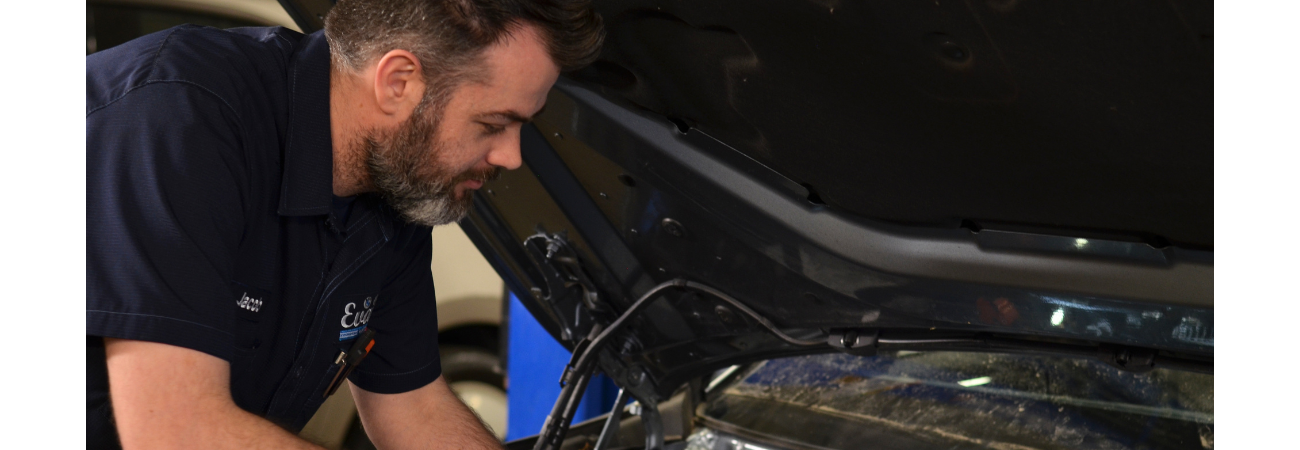
A warning light can turn an ordinary drive through the Miami Valley into a stressful question: Which shop should handle it? That choice matters even more when the problem involves electronics, braking, software, or a repair that feels hard to explain.
A certified technician has Volkswagen-focused training that goes beyond general automotive experience. That training can affect diagnosis, repair quality, safety, cost, and how well your VW performs after the work is complete.
What "Certified Technician" Means at a VW Dealer
At a Volkswagen dealer, a certified technician has completed manufacturer-focused training and testing for VW vehicles. The training is designed around Volkswagen systems, repair information, diagnostic processes, and approved service methods.
This doesn't mean every technician has identical training. Dealership teams may include technicians at different experience levels, and a person may hold certification in certain repair areas but not others. If your vehicle needs complex work, ask whether the technician assigned to it is currently certified for that type of repair.
Certification matters because modern VWs are built around vehicle-specific systems. A technician needs more than a general understanding of engines or brakes. They also need to know how Volkswagen designs, tests, and updates those systems.
Training Covers Volkswagen Systems, Tools, and Procedures
Volkswagen technician training may cover engine and transmission operation, electrical components, braking systems, driver-assistance features, software, and vehicle-specific diagnostic equipment. Factory repair information guides the testing order, part installation, torque specifications, and required follow-up steps.
For example, an intermittent warning light may come from a sensor, damaged wiring, a weak battery, or a software issue. Replacing the first part that seems related can waste money. Proper testing helps narrow down the actual cause.
Some safety features also need calibration after a repair. A camera or radar sensor can require a precise setup after certain body, windshield, suspension, or alignment work. Those steps help the system work as Volkswagen intended.
Certification Is Different From General Auto Experience
A skilled general technician can handle many routine jobs well, including oil changes, tires, filters, batteries, and basic brake service. Independent repair shops often provide excellent work, especially when they know your vehicle and communicate clearly.
However, a VW-certified technician brings brand-specific training and access to Volkswagen repair guidance. That provides a stronger starting point when the problem involves a warning message, unusual drivability concern, transmission behavior, or electronic fault.
Certification isn't a promise that every repair will be perfect or that every issue will have a simple answer. It does mean the technician has learned Volkswagen's recommended approach before beginning the diagnosis.
Why a Certified Technician Can Make VW Repairs More Reliable
A reliable repair starts with finding the cause, not simply replacing the part connected to a fault code. Modern Volkswagen vehicles use computers and sensors that share information across several systems. One alert can have more than one possible source.
A certified technician can use approved diagnostic equipment, factory service information, and step-by-step testing to sort through those possibilities. For instance, a technician may test the battery, wiring, sensor readings, and software status before recommending a major component.
Accurate testing may have an inspection cost, but it can prevent unnecessary parts and repeat visits.
Correct parts and repair methods matter as much as diagnosis. Volkswagen designs components to work together, so the right replacement part, installation procedure, and software setup can affect performance after the repair. Ask for a clear explanation of what failed and why the recommended work addresses it.
Factory Procedures Support Safety and Long-Term Performance
Factory procedures are especially important for brakes, airbags, steering, engine timing, high-voltage systems, and driver-assistance technology. These repairs can involve more than removing and installing a part.
After certain work, the vehicle may need a software update, a system reset, or a calibration. Skipping a required step can leave a warning light on or affect how a feature operates. Around Dayton's busy traffic, changing temperatures, and winter road conditions, safety systems need careful service.
A dealer visit can also help when a repair involves a Volkswagen recall or a manufacturer service update. Those items often call for vehicle-specific information and equipment.
The Right Repair Includes Documentation and Warranty Details
A professional repair visit should give you more than a final invoice. You should receive a written estimate, an explanation of recommended work, parts information, technician findings, and warranty details.
Keep those records with your maintenance paperwork. They can help a future technician understand prior repairs, support resale discussions, and make maintenance planning easier.
Certification and warranty coverage aren't the same thing. Ask what the repair warranty covers, how long it lasts, and whether it applies to parts, labor, or both.
How to Choose the Right VW Service Team for Your Repair
Dealer service is often a smart choice for electrical faults, warning lights, software concerns, transmission problems, recalls, hybrid or electric systems, and driver-assistance repairs. These jobs may require special tools, programming, or calibration.
For routine maintenance or an older VW, compare service options based on communication, experience, estimates, and repair warranties. Regular care also makes larger problems easier to catch early. A local Volkswagen service center in Dayton can provide scheduled maintenance alongside more involved repairs.
Ask These Questions Before Approving Work
You should never feel pressured to approve work you don't understand. Request answers in plain language before authorizing a repair.
Is the technician certified for my VW model or this repair?
What tests found the problem?
Are you using genuine Volkswagen parts or approved alternatives?
Does this repair require programming, a reset, or calibration?
What needs attention now, and what can wait?
What repair warranty applies?
When comparing estimates, look beyond the total price. Check the parts listed, labor included, diagnostic charges, programming needs, and warranty terms. Two estimates may cover very different work.
When Dealer Service Is Especially Valuable
Brand-specific service is most helpful when a repair touches the vehicle's electronics or safety systems. The same applies to faults that return after a previous repair, since the technician may need deeper testing rather than another replacement part.
Simple jobs, such as replacing wiper blades, may not need specialized training. Still, following your VW's maintenance schedule and keeping clear records helps protect long-term reliability.
For ongoing care, consider the Evans Volkswagen service department for factory-trained service and a record of work completed on your vehicle.
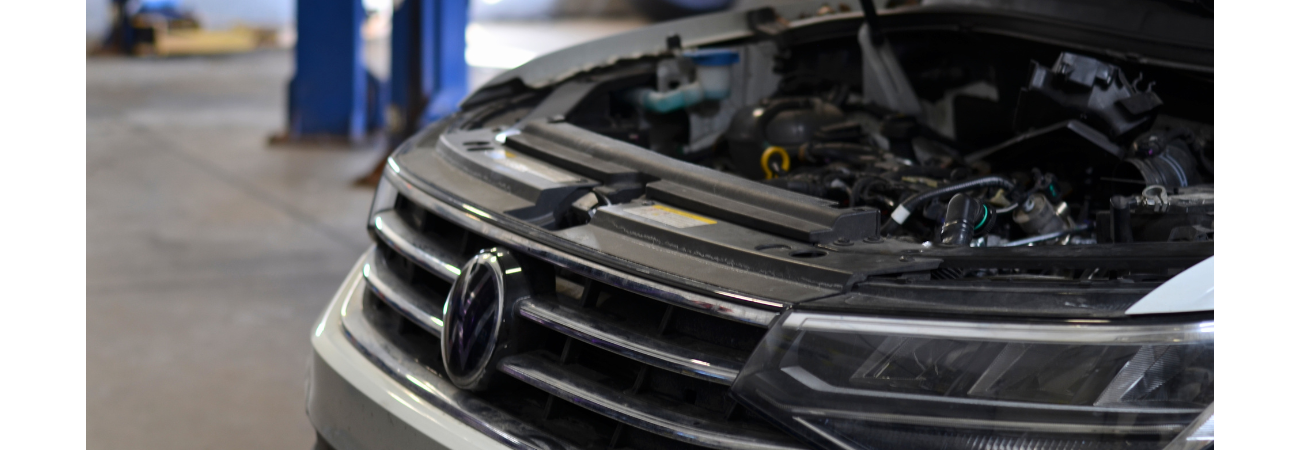
A Clearer Path to VW Repair Decisions
A certified technician brings Volkswagen-focused training, tools, and repair knowledge to the service visit. That gives your VW a better chance of receiving an accurate diagnosis, proper procedures, and dependable results.
Before approving work, ask about technician certification, request a clear estimate, and review the warranty details. The right service team treats both your vehicle and your questions with care.