

Volkswagen Certified Pre-Owned Checklist: What to Verify Before You Sign

Shopping for a used car around Dayton can feel like choosing fruit at the grocery store. Some look great on the outside, but you don’t know what’s underneath until you take a closer look. That’s why a Volkswagen Certified Pre-owned vehicle can be so appealing. It’s a used Volkswagen that’s been checked, reconditioned, and backed by warranty coverage.
Still, “certified” isn’t a magic word that removes all risk. It only helps if you verify the right details before you sign anything. This guide walks you through a simple checklist: the paperwork you should see, the condition checks you can do in one visit, what to confirm about warranty coverage, and what to review on pricing and final documents.
What Makes a Volkswagen CPO Different (and what to confirm first)
Volkswagen Certified Pre-Owned is not the same as a regular used VW on a lot. A typical used vehicle is sold as-is (or with limited dealer coverage), and its condition depends on how it was traded in and prepared. A Volkswagen CPO model should meet specific eligibility rules, complete a certification inspection, and include warranty coverage that’s tied to the program.
In plain terms, CPO is meant to reduce surprises. The vehicle is inspected against a list of standards, and any required repairs are completed before it can be called “certified.” That doesn’t mean it’s perfect or brand-new. It means it met the standards at the time it was inspected, and it comes with a warranty designed for CPO vehicles.
Before you get attached to a specific color or trim, confirm one thing early: is the exact VIN you’re looking at truly certified right now? A window sticker or online badge can be wrong, especially if a vehicle’s status changed after reconditioning or it was moved between stores.
A smart move is to ask for proof of certification upfront, then decide if the car is worth your time for a deeper look and a test drive.
Ask for the CPO paperwork, not just a badge
You don’t need to be an expert to review the basics, but you do need the documents in hand. Ask for these items and take a minute to scan them:
CPO inspection checklist copy: Look for dates, mileage at inspection, and clear pass marks. Watch for missing pages or sections left blank.
Vehicle history report: Confirm the title history, reported accidents (if any), and that the mileage readings make sense over time.
Proof of reconditioning work: This can be repair orders or service notes showing what was fixed or replaced to meet certification standards.
Warranty booklet or coverage summary: You want the program terms in writing, not a verbal promise.
Quick red flags: vague notes like “checked OK” with no detail, incomplete signatures, or dates that don’t line up (for example, reconditioning dated after certification).
Confirm the warranty details in writing before you shop monthly payments
Monthly payment talk can distract you fast. Before you get pulled into “what works per month,” confirm the warranty specifics in writing:
Warranty start date: Is it based on the original in-service date, the CPO sale date, or another date?
Term and mileage: Know exactly how long coverage lasts and the mileage limit.
What’s covered vs excluded: Wear items and routine maintenance are common exclusions. Get clarity on the big-ticket stuff.
Deductible (if any): If you pay something per visit, know the amount.
Where you can use it: Ask if warranty service is honored at Volkswagen dealers in general, including near Dayton if you travel.
Ask for the coverage terms printed on the buyer’s order or included as an addendum. If it isn’t written down, it’s harder to enforce later.
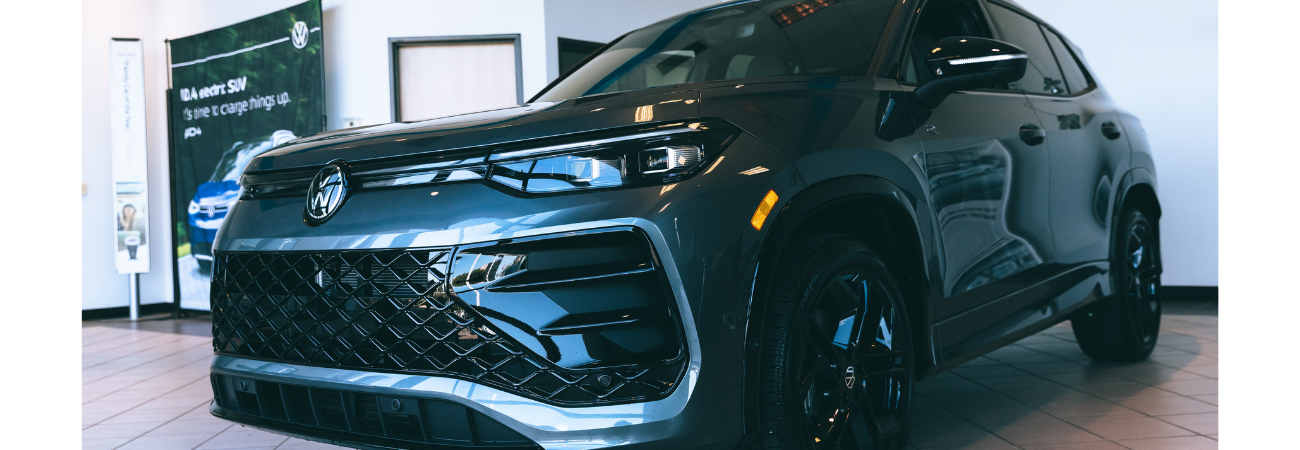
Volkswagen Certified Pre-Owned Checklist: Vehicle condition checks you can do in one visit
A Volkswagen CPO vehicle should arrive in better shape than most used cars, but it’s still a used car with real miles and real history. Your job is to look for signs that something was missed, rushed, or repaired in a way you wouldn’t accept.
Plan your visit in three parts: a walkaround, an inside check, and a test drive. Keep it calm and steady. Think of it like a home inspection. You’re not trying to nitpick, you’re trying to spot expensive problems while you still have options.
Walkaround checklist: tires, lights, glass, and signs of past repairs
Start at the front driver-side corner and walk the car in a slow circle.
Tires and wheels: Tires should be the same brand and size, with similar tread depth side-to-side. Uneven wear can hint at alignment or suspension issues. Check for obvious wheel curb rash and ask if any wheel was repaired.
Lights and lenses: Turn on headlights, brake lights, turn signals, and hazards. Look for cracked lenses or moisture inside the housings.
Glass: Inspect the windshield for chips or long cracks. Small chips can grow fast in an Ohio winter.
Paint and body lines: Stand back and compare paint color from panel to panel. Look for mismatched shades, odd panel gaps, or overspray around trim. Those can be signs of prior bodywork.
Rust spots: Check lower door edges, around wheel arches, and under the trunk lip. Surface rust happens, but you want to know what you’re dealing with.
If you suspect repairs, ask directly if bodywork was done, then compare the answer to the vehicle history report.
Inside checklist: tech features, safety systems, and comfort items
Sit in the driver seat with the door closed. Listen for rattles before you even start the car.
Startup warning lights: When you start the engine, the dash lights should come on briefly, then turn off. If a warning stays on, stop and ask why.
Screen and connectivity: Test the infotainment screen, Bluetooth, and the backup camera. Pair your phone during the visit and place a short call so you know the mic and speakers work.
Ports and charging: Check USB ports and 12V outlets. A dead port is a small issue, but it’s still an issue.
Comfort basics: Verify heated seats (if equipped), power windows, locks, mirrors, wipers, and horn.
HVAC: Run heat and A/C. Make sure airflow changes between vents and the fan works at multiple speeds.
Keys and manuals: Confirm how many key fobs are included and ask for the owner’s manual set. Replacing smart keys can be pricey.
Test drive checklist: noise, braking feel, steering, and transmission behavior
Try to drive the car when it’s cold, if possible. Cold starts can reveal issues that disappear after warm-up.
Idle and acceleration: The engine should idle smoothly and respond without hesitation when you accelerate.
Transmission behavior: Shifts should feel consistent, not harsh or delayed. If something feels off, describe it plainly and ask for a check.
Braking: Brake firmly at a safe speed. The car should stop straight, without steering pull or pedal vibration.
Steering and suspension: The steering wheel should be centered on a straight road. Listen for clunks over bumps and pay attention to how the car feels in turns.
Smells: Strong burning smells, sweet smells, or heavy exhaust smells deserve questions.
If you can, mix city streets and highway speeds around Dayton. Finish with a few parking lot maneuvers (tight turns, backing up, slow stops) to catch noises you might miss on the road.
Before you sign: pricing, fees, trade, and final paperwork checks
This is where good deals can quietly turn into expensive ones. The goal isn’t to fight every line item, it’s to make sure you understand what you’re paying for and what you’re getting.
You’ll make clearer decisions if you focus on the total cost first, then financing second. A low payment can hide a long term, add-ons, or both.
If you’re comparing options in a set price range, it can help to view vehicles under $20,000 at Evans Volkswagen so you know what “normal” looks like before you negotiate.
Review the out the door price line by line (and question add-ons)
Ask for an out the door breakdown that clearly itemizes:
Selling price
Taxes
Title and registration
Documentation fee
Dealer add-ons (appearance protection, tire and wheel, theft protection, and similar items)
Financing and trade in checks that protect you later
Before you sign, verify the financing terms in writing:
APR and term length: Confirm the interest rate and number of months, then review the total of payments.
Down payment: Make sure the contract matches what you agreed to put down.
Products rolled into the loan: If gap coverage, service contracts, or protection plans are included, ask for the price of each item and the terms. Make sure they don’t overlap with your volkswagen cpo coverage in a way that wastes money.
For trade-ins, confirm the agreed value is printed on the deal sheet, and verify any payoff amount is accurate. If there’s a loan on your trade, ask how long the payoff quote is valid.
Finally, request a copy of every signed page before you leave. It’s boring, but it prevents confusion later.

Conclusion
A Volkswagen certified pre-owned vehicle can be a great fit for Dayton drivers who want a used car with extra peace of mind, but the real protection comes from verification. First, confirm it’s truly certified with the right paperwork, not a badge. Second, do a quick condition check anyway, because certified doesn’t mean flawless. Third, review warranty terms and the out the door numbers before you sign, so the deal matches what you were told.Bring this checklist to Evans Volkswagen, take your time, and make sure the car you choose feels right on paper and on the road. Confidence is the best feature you can drive home with.