

Low Payment vs Low Rate: Compare the Full Car Deal
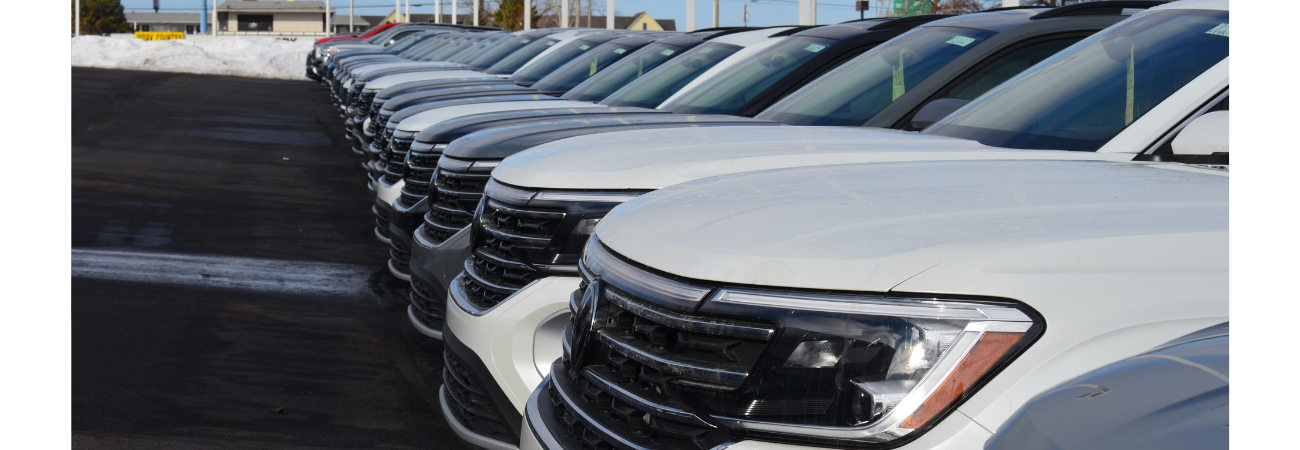
You're comparing two car offers: one promises a lower payment, while the other advertises a lower rate. Either can look attractive while costing more over the life of the loan.
For Miami Valley drivers, the choice comes down to comparing each offer’s monthly payment, interest rate, and total cost against a comfortable budget. Vehicle price, loan length, and extras can change which deal makes sense.
Before you choose, put both deals on the same footing and review the numbers beyond the headline payment or rate.
Key Takeaways
Compare the full car deal—not just the monthly payment or advertised interest rate. Review the APR, vehicle price, loan term, fees, down payment, and total amount paid.
A longer loan term can lower monthly payments but increase total interest and may leave you owing more than the vehicle is worth.
A low APR may not mean a lower overall cost if the vehicle price, fees, or financed extras are higher. Check promotional financing requirements and whether it affects available incentives.
Ask for written quotes using the same vehicle price, down payment, trade-in value, and loan term. Review optional products and confirm the contract matches the terms you agreed to.
Low Payment vs Low Rate Car Buying: What Each Offer Means
A low payment describes what you owe each month. An advertised interest rate shows the borrowing rate, while the annual percentage rate (APR) includes interest and certain financing charges. For an auto loan, APR offers a broader view of borrowing costs.
Neither figure tells you the vehicle's total cost by itself.
A longer loan can lower payments but raise the total cost
Extending a loan spreads repayment over more months. That can reduce what you owe each month, but it also gives interest charges more time to accumulate.
Example comparison: Consider two quotes with the same loan amount, interest rate, and down payment, but different repayment periods. The longer loan generally has a lower monthly payment and more interest charges, assuming you make every scheduled payment.
The exact difference depends on the vehicle price, rate, and loan terms. Ask for both schedules in writing rather than judging by the payment alone.
A longer term can also leave you owing money when you're ready to replace the vehicle.
A low rate can still come with a higher price
A lower APR doesn't guarantee a cheaper purchase. A higher vehicle price, additional fees, or financed extras can offset the interest savings.
If a promotional interest rate is available, confirm its eligibility requirements and complete terms. Eligibility may depend on your credit score and credit report. Some promotions require strong credit or a shorter repayment period. A shorter-term car loan can produce a higher monthly payment even with a lower APR.
Terms can also differ by vehicle type. New car loans and used car loans may have different promotional rates, and some used car loans may not qualify for the same offers.
Also ask whether choosing promotional financing changes any available rebate or manufacturer incentives. Compare the complete offers separately, because the lowest advertised rate may not produce the lowest overall cost.
How to Compare Car Deals Without Hidden Costs
Get a written quote showing the out-the-door price, APR (annual percentage rate), loan term, down payment, trade-in value, fees, and total amount paid. The out-the-door price should include the vehicle, taxes, and dealer fees before financing costs.
Ask for the loan amount and total scheduled loan payments, too. These figures show what the auto loan costs, including interest charges.
Compare the same price, down payment, and loan term
First, hold the assumptions steady. Ask each dealer or lender to use the same vehicle price, down payment, trade-in value, and repayment period.
If you're comparing different vehicles, review their prices separately before comparing financing. Check each out-the-door price, especially when comparing used car loans, since a lower vehicle price can make an offer seem better.
At a car dealership, compare dealer financing with direct lending using the same figures. For used car loans, get a direct lending quote, then compare its interest rate and monthly payment with the dealer's offer.
Compare financing options alongside manufacturer incentives, which can change the complete offer. Your credit score and credit report may affect quoted rates, so consider pre-qualification before you shop.
Check lender terms for used car loans and compare them with new car loans, since the interest rate and loan length can differ.
Keep the trade-in allowance and any outstanding payoff separate. If the payoff exceeds the allowance, you have negative equity, often due in part to vehicle depreciation, and it can increase the amount financed. Ask how rolling negative equity into the auto loan affects your payments.
Use the Evans Volkswagen payment calculator to explore monthly payment estimates. Then compare written quotes, since an estimate isn't a final loan offer.
Watch for payment-only talk and costly add-ons
Slow down when the discussion focuses only on hitting your monthly target. A revised payment deserves a clear explanation of what changed.
Warning signs include:
The repayment period grows without an explanation of the added interest.
Your trade-in allowance changes between quotes.
The paperwork includes products you didn't request.
Ask which charges are required and which products are optional. Review extended warranties, gap insurance, and other extras individually, including their prices and cancellation terms. Financing an optional product adds its price to your loan, so you may also pay interest charges on that purchase.
Request a revised quote whenever a line item is unclear. Before signing, confirm the contract matches the terms you agreed to.
Choose the Right Deal for Your Budget at Evans VW
Evans VW is a car dealership where drivers can compare dealer financing with direct lending for an auto loan. Its finance department works with drivers throughout the Miami Valley, including Vandalia, Kettering, Springboro, Beavercreek, and Miamisburg.
Available terms depend on the vehicle, lender, credit score, and other factors. Request current options rather than assuming an advertised offer applies.
Balance monthly comfort with long-term value
Choose a monthly payment that leaves room for insurance, fuel, maintenance, and other bills. Include occasional expenses, such as tires and registration, so the vehicle doesn't crowd out your emergency savings.
Compare how the down payment, loan amount, interest rate, and loan term affect interest charges and your budget. Avoid extending the loan solely to reach a target payment.
Your ownership plans matter, too. Vehicle depreciation can leave you with negative equity if you owe more than the car is worth. Before trading it in, compare the expected trade-in value with your remaining balance.
Request written options you can review at home
Start with the Evans Volkswagen financing options, then ask for written comparisons of available loan terms. Explain your monthly comfort range and expected ownership period.
Use pre-qualification to get an estimate, then compare that estimate with a written offer. Terms for new car loans and used car loans may vary by vehicle and lender.
Ask the team to show how changing the term or down payment affects the payment and overall loan cost. Keep the vehicle price and optional products visible in every version.
Also ask when each quote or promotion expires. You can consider whether to refinance your loan later, but compare the current offer first.
Take the paperwork home if you need time to review it.
Frequently Asked Questions
Is a lower monthly car payment always a better deal?
No. A lower payment may come from a longer loan term, which can increase total interest and leave you paying for the vehicle longer. Compare the total scheduled payments and loan terms before deciding.
Does a lower APR mean I’ll pay less for the car?
Not necessarily. A higher vehicle price, fees, or financed extras can offset the savings from a lower APR. Compare the out-the-door price and total amount paid for each offer.
What should I compare on written car loan quotes?
Compare the vehicle price, APR, loan term, down payment, trade-in value, fees, loan amount, and total scheduled payments. Use the same assumptions for each quote so you can judge the financing options fairly.
Can a trade-in affect my car loan cost?
Yes. If your outstanding payoff is higher than your trade-in allowance, the difference is negative equity. Rolling it into a new loan increases the amount financed and can affect your payments and total cost.
Should I choose a longer loan term to reach my monthly budget?
A longer term can reduce the monthly payment, but it generally increases the time you pay interest. Compare the added cost and consider whether the payment still fits your budget without extending the loan solely to meet a target.
Compare the Full Numbers Before Choosing
The better fit depends on your monthly payment, interest rate, and total cost. Compare the full terms of each auto loan, including its interest charges.
Miami Valley drivers can request written options from Evans VW and compare them without rushing. Review every charge and repayment term before choosing, so the deal fits your budget today and your plans for the car.